Kyoto Travel Guide: Ancient Temples, Bamboo Groves & Traditional Culture
Kyoto was Japan's imperial capital for over 1,000 years and remains the country's spiritual and cultural heart. With more than 1,600 Buddhist temples, 400 Shinto shrines, a former imperial palace, and 17 UNESCO World Heritage Sites, it attracts more than two million international visitors every year - and still manages to reward early risers with moments of complete solitude.
Last updated: May 2026
Why Kyoto?
- 17 UNESCO World Heritage Sites - more than any other city in Japan, including Kinkaku-ji, Fushimi Inari, and Kiyomizu-dera.
- Teramachi Street - a lively covered shopping arcade with crafts, books, stationery, and Kyoto culture.
- Gion geisha district - the best-preserved geisha neighbourhood in Japan, active since the 15th century with ~200 geiko and maiko still working today.
- Arashiyama Bamboo Grove - a 200-metre path through bamboo that can grow 90cm in a single day; most magical at dawn.
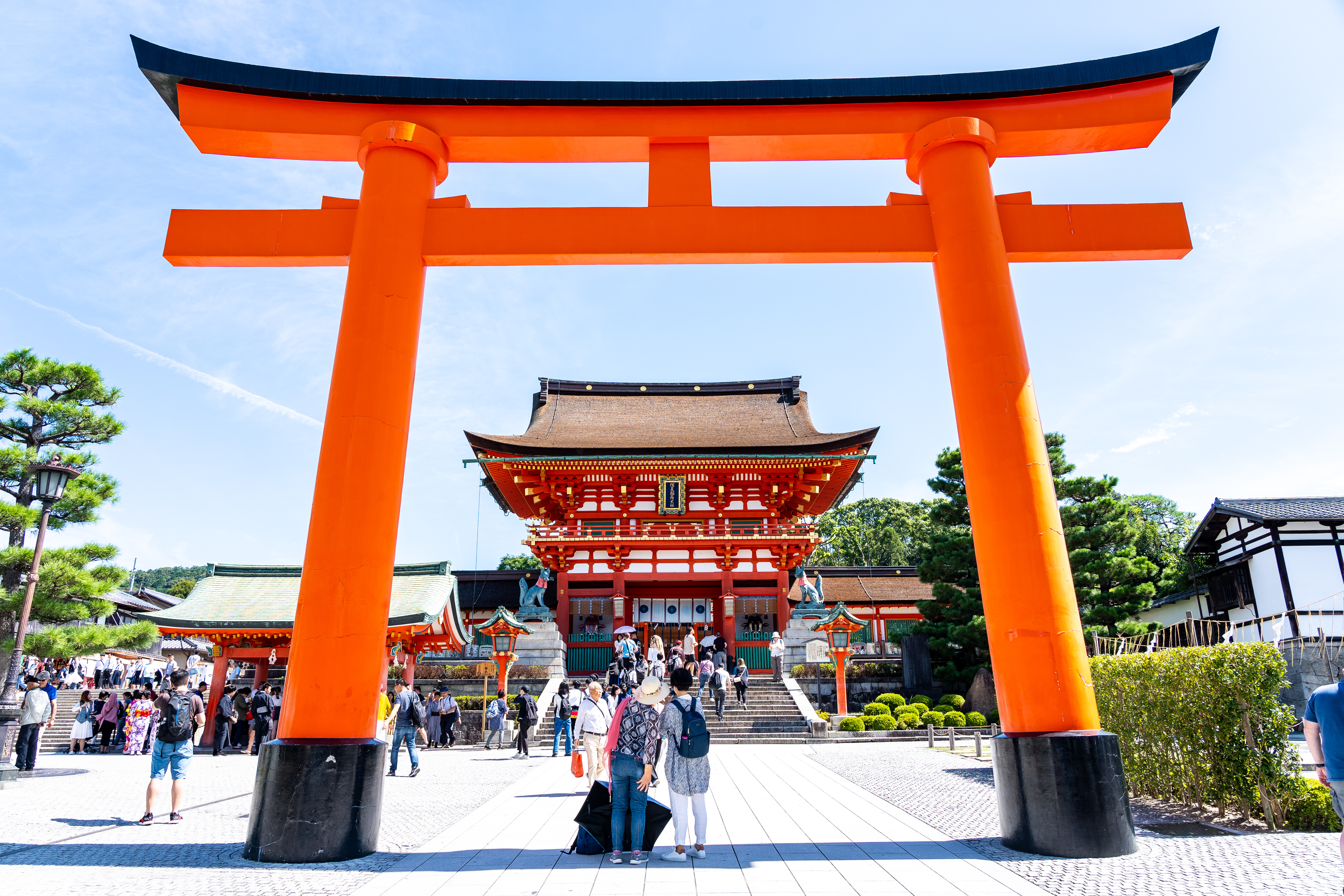
- Fushimi Inari Shrine - 10,000 vermilion torii gates ascending Mt Inari (233m), open 24 hours, free entry.
- Philosopher's Path - a 2km canal-side walkway that erupts in cherry blossoms every late March and early April.
Best Base Areas
- Central Kyoto (Kawaramachi / Shijo) - best metro and bus access, close to Gion and Pontocho. Most hotels and ryokan options. Recommended for first-time visitors.
- Arashiyama - quiet, bamboo-side neighbourhood in western Kyoto. Peaceful mornings, walkable to bamboo grove, Tenryu-ji, and the monkey park. Slower pace, fewer transport options.
- Fushimi - southern Kyoto, near Fushimi Inari Shrine and the historic Fushimi district. Quieter than central Kyoto, well connected by JR Nara Line (5 min to Kyoto Station).
Major Attractions in Kyoto
All major Kyoto highlights are grouped here. Tap any card for a short briefing with the best time slot and practical planning tips.
Kyoto Itinerary Plans - by Length
Open a dedicated page based on your trip length.
2-Day Kyoto Plan
Fushimi Inari, Kinkaku-ji, Gion, and Arashiyama - the essentials in two efficient days.
Open 2-Day Plan →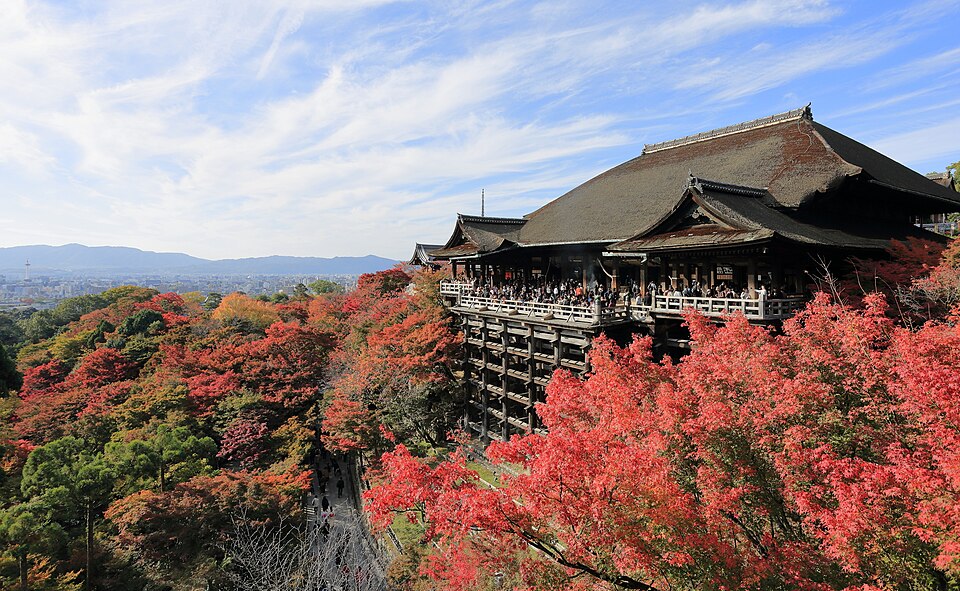
3-Day Kyoto Plan
Adds Kiyomizu-dera, Higashiyama stone lanes, and the Fushimi sake district.
Open 3-Day Plan →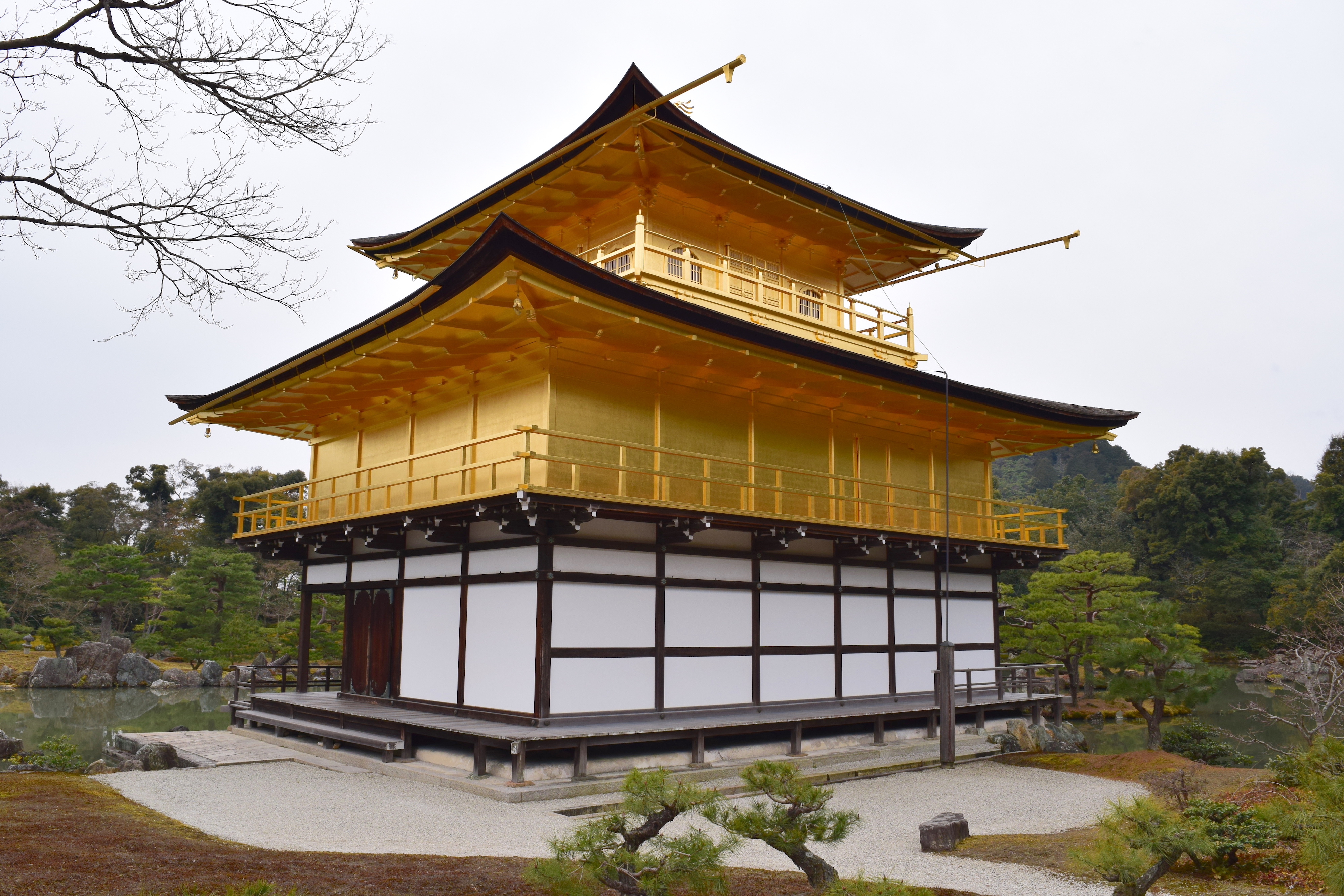
5-Day Kyoto Plan
Deep temples, Nijo Castle, Daitoku-ji, and a Nara day trip.
Open 5-Day Plan →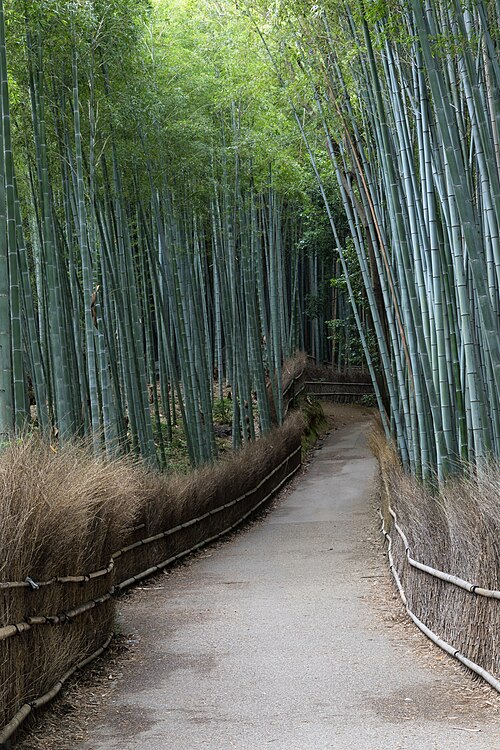
7-Day Kyoto Plan
A full week with hidden neighbourhoods, an Osaka day trip, and slower pacing.
Open 7-Day Plan →Audience Itineraries
Plans tailored to your travel style and group type.
Families with Children
Kid-friendly pacing with simpler transitions and flexible options across 2, 3, 5, and 7 days.
2-day to 7-day →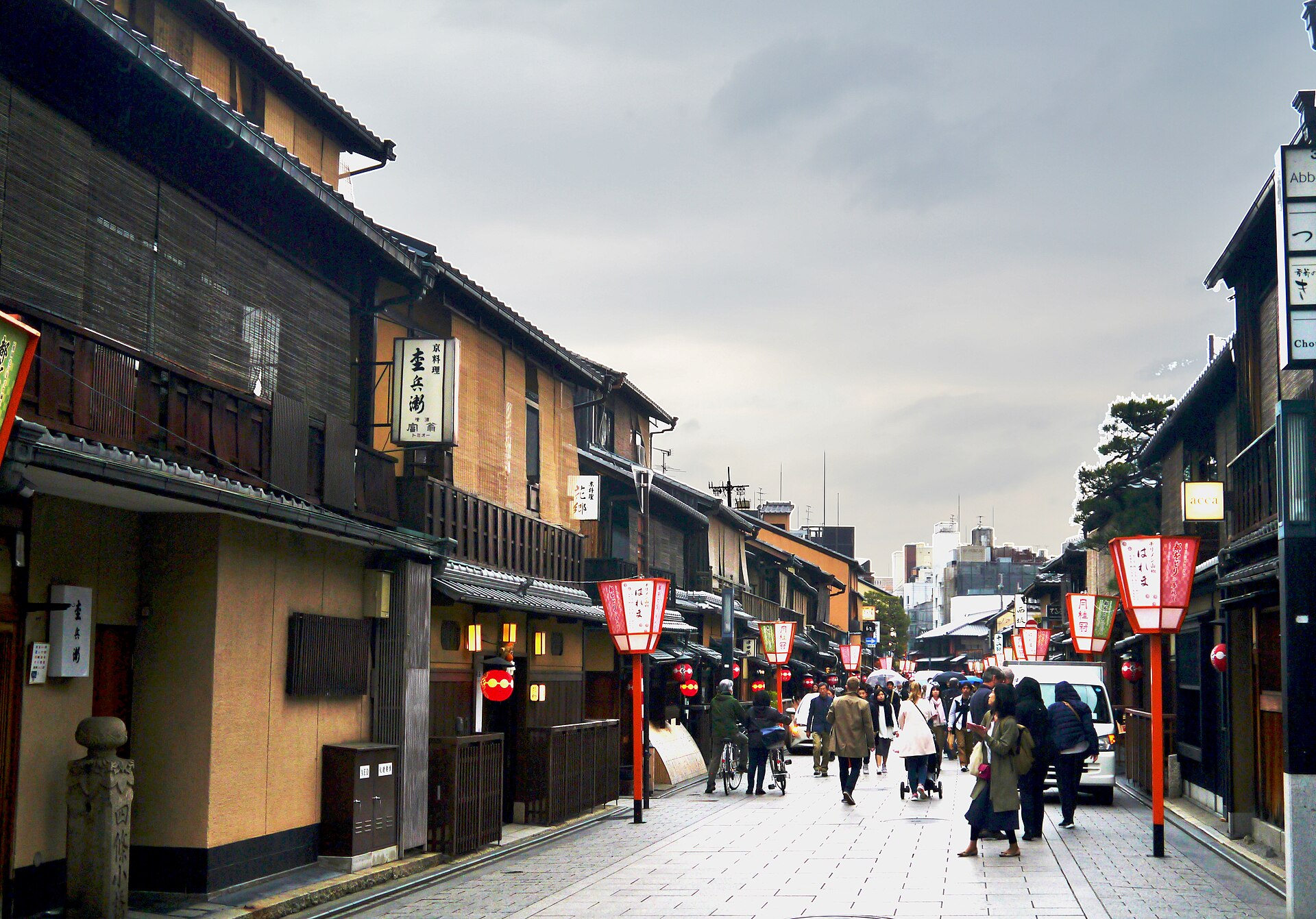
Young Adults
Higher-energy Kyoto route with early starts, fast transitions, and a compact 2-day plan.
2-day → Couples
Scenic, slower-paced routes with calmer timing choices across 2, 3, 5, and 7 days.
2-day to 7-day → Seniors
Lower-strain versions with practical pacing and transport-friendly sequencing across 2, 3, 5, and 7 days.
2-day to 7-day →Getting to Kyoto
- KIX - Kansai International Airport - the main gateway. Take the Haruka Express direct to Kyoto Station (75 min, ¥3,600 with IC card discount; or ¥2,850 with tourist discount ticket). Alternatively, OCAT Airport Bus (90 min, ¥2,600).
- ITM - Osaka Itami Airport - domestic flights only. Airport limousine bus to Kyoto Station (60 min, ¥1,340).
- From Tokyo by Shinkansen: 2h15m on the Nozomi (¥13,320) or 2h45m on the Hikari. The fastest way from Tokyo if not flying direct to KIX.
Frequently Asked Questions
When is the best time to visit Kyoto?
+
Spring (late March to mid-April) is strongest for cherry blossoms along the Philosopher's Path and in Maruyama Park, but demand is very high so book accommodation 3-6 months ahead. Autumn (mid-November) is best for maple foliage at spots like Tofuku-ji and Eikan-do. Avoid Golden Week (May 3-5) if you want lighter crowds.
How many days do you need in Kyoto?
+
Minimum 2 days covers the headline sights. 3 days gives the best balance for most first-time visitors. 5 days lets you slow down and add quieter districts or a Nara day trip, while 7 days works for a deeper Kyoto plus Osaka rhythm.
What is the best way to get around Kyoto?
+
The Kyoto City Bus network covers most major sights and IC cards (ICOCA or Suica) work across buses and trains. Bicycles are practical in flatter areas and can be faster than buses on some routes. Taxis are best reserved for temple-heavy segments when you want to reduce long transfers.
Flights to Japan
Looking for flights to Japan from your region?
Explore all flights to Japan →