Kinkaku-ji (Golden Pavilion): Quick Attraction Briefing
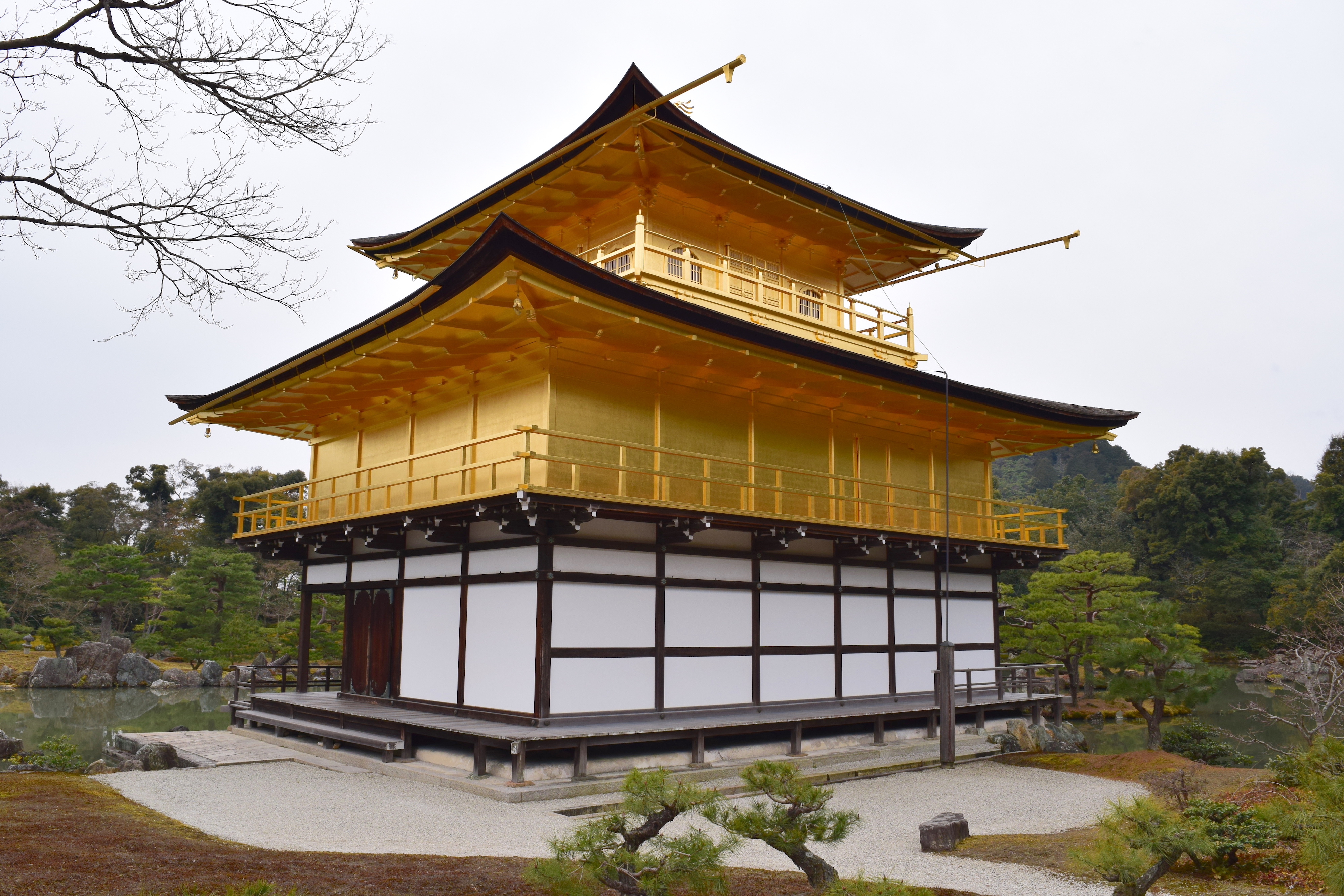
Kinkaku-ji is Kyoto's most instantly recognisable sight - a three-storey pavilion sheathed in pure gold leaf, reflected in a mirror pond surrounded by manicured pines. Originally built as a shogun's retirement villa in 1397, it now draws roughly five million visitors per year, making crowd timing everything.
Quick Briefing
- Area: Kita-ku, northern Kyoto
- Time needed: 30-45 min (one-way circuit around the pond)
- Best time slot: 9am at opening - crowds build quickly by 10:30am
- Must do: Walk the full one-way pond circuit for the classic gold-on-water reflection shot
- Cost: ¥500 adults
- Access: Bus 101 or 205 from Kyoto Station (40 min, ¥230) to Kinkakuji-michi stop
By the Numbers
- Built: 1397 as a retirement villa for shogun Ashikaga Yoshimitsu. Converted to a Zen temple after his death.
- Burnt down: 1950, set on fire by a 22-year-old novice monk - the incident that inspired Yukio Mishima's novel The Temple of the Golden Pavilion (1956).
- Rebuilt: 1955, faithfully reconstructed. Gold leaf reapplied in 1987 (five times thicker than the original).
- UNESCO: Listed as a World Heritage Site in 1994 as part of the Historic Monuments of Ancient Kyoto.
- Visitors: Approximately 5 million per year - one of the busiest temple sites in Japan.
- Gold leaf: The top two floors are covered in pure gold leaf applied to lacquered walls. The ground floor is left in natural wood.
What's Nearby
- Ryoan-ji Rock Garden - 2km southeast. The world's most famous Zen dry garden, 15 rocks and white gravel. ¥600. Much quieter than Kinkaku-ji. Many visitors combine the two in one morning.
- Ninna-ji Temple - 1km south. A quieter UNESCO Heritage temple with a five-storey pagoda and beautiful spring cherry trees. ¥800 for the Garan complex. A rewarding third stop on the Kita-ku circuit.
Kinkaku-ji is the centrepiece of Day 1 in the Kyoto 2-Day Itinerary. Pair with Fushimi Inari in the early morning and Arashiyama in the afternoon for a full first day.