Senso-ji Temple Tokyo: Visitor Guide, Etiquette, and Customs
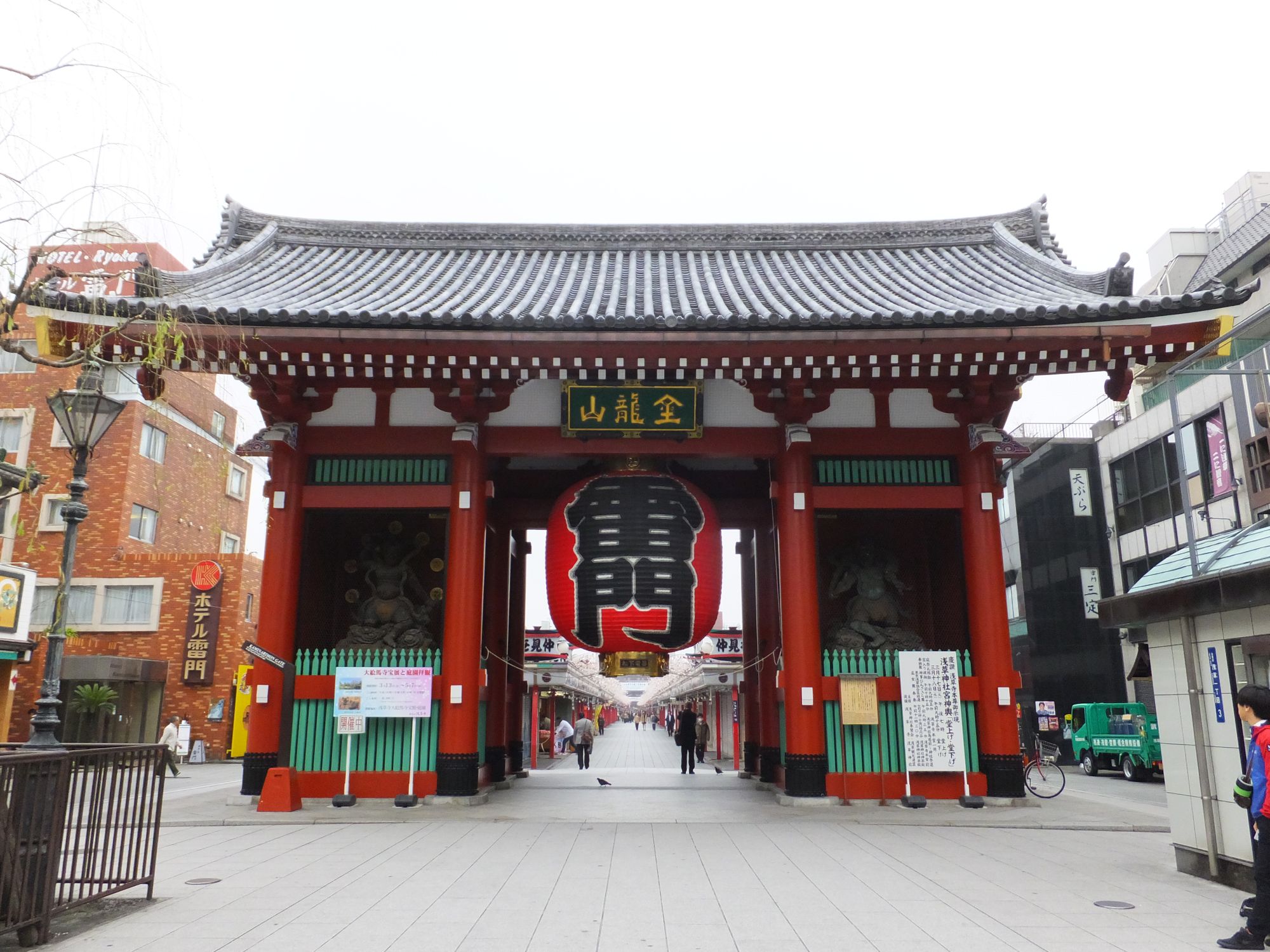
Senso-ji is Tokyo's oldest temple and one of the most meaningful spiritual landmarks in the city. Founded in the 7th century and dedicated to Kannon (the Bodhisattva of Compassion), it is both an active place of worship and a major cultural site.
Quick Briefing
- Area: Asakusa
- Time needed: 60 to 120 minutes
- Best time slot: 7:30 to 10:00 AM for lighter crowds and quieter prayer time
- Must do: Enter through Kaminarimon Gate, walk to the main hall, and observe prayer etiquette
- Cost: Free entry
- Nearest station: Asakusa Station
- Best day: Weekdays are generally easier for slower-paced visits
What Senso-ji Represents
Senso-ji is a Buddhist temple centered on compassion, patience, and humility. For many visitors, the value of this stop is not only architecture but also the ritual rhythm: cleansing hands, pausing before prayer, and moving with intention instead of rushing.
Attire and How to Dress
- Recommended: Modest, comfortable clothing suitable for a sacred place and long walks.
- Footwear: Wear stable shoes with good grip because surfaces may be smooth in wet weather.
- Shoulders and knees: Coverage is appreciated, especially near prayer areas and during ceremonies.
- Hats and sunglasses: Fine in open areas, but remove them briefly when actively praying.
Temple Etiquette and Beliefs to Respect
- At the purification fountain: Rinse hands quietly and avoid splashing.
- At the main hall: Keep your voice low and stand to the side if others are praying.
- Photography: Courtyard photos are usually fine, but avoid flash and do not interrupt worshippers.
- Incense and offerings: Follow posted instructions and local flow instead of improvising rituals.
Restrictions and Practical Rules
- No disruptive behavior: Running, loud group calls, and obstructing paths are discouraged.
- Respect boundaries: Some interior zones may be restricted during ceremonies or maintenance.
- Tripods and large setups: Often limited in busy periods to keep pathways clear.
- Check signs on arrival: Rules can vary by season, event days, and crowd levels.
Can Women Visit During Their Period?
In modern Tokyo practice, women can visit Senso-ji during their period. There is no general visitor restriction at this temple for menstruation. As with all sacred spaces, the key expectation is respectful behavior and following any instructions posted on-site.
Accessibility and Comfort Notes
- Surface: Mostly flat around the main approach, though crowd density can slow movement.
- Crowd management: Early mornings are best for families, seniors, and slower walkers.
- Rest strategy: Plan short pauses between the gate, temple forecourt, and side lanes.
Pair Senso-ji with Tokyo Skytree or a Sumida River walk for a smooth, single-area day plan with fewer transfers.