Nara Travel Guide: Parks, Temples, and Easy Day Plans
Nara is one of the easiest additions to a Kansai trip. It is compact, walkable around the main park zone, and ideal for visitors who want major heritage sites without intense logistics.
Last updated: May 2026
Why Add Nara to Your Japan Plan
- Fast access: Around 45-60 minutes from Kyoto or Osaka by rail.
- High-value landmarks: Todaiji, Kasuga Taisha, and Nara Park are close together.
- Flexible timing: Works as either a focused day trip or a 2-day slow plan.
- Compact layout: The strongest first-time route stays inside one connected heritage zone instead of requiring long city transfers.
- Good Kansai add-on: Nara fits especially well between Kyoto and Osaka plans when you want one calmer sightseeing day.
Best Base Options
- Kyoto Station area: Best overall base if Nara is one part of a wider Kansai trip and you want simple morning rail connections.
- Central Osaka / Namba: Works well if most of your trip is Osaka-focused and you want Nara as a day trip.
- Stay in Nara: Best for a slower 2-day version or if you want the calmest possible start without commute pressure.
Major Attractions in Nara
These are the main attractions worth prioritizing on a first Nara visit. The strongest one-day version is usually Nara Park, Todaiji, Kasuga Taisha approach paths, and Naramachi, with Heijo Palace added on a slower second day.
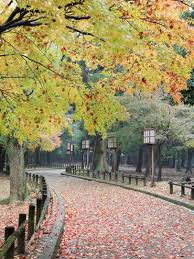
Nara Park
Broad lawns, wooded paths, and the deer zone that anchors most first-time visits to Nara.
First stop, open-space walking, compact one-day plans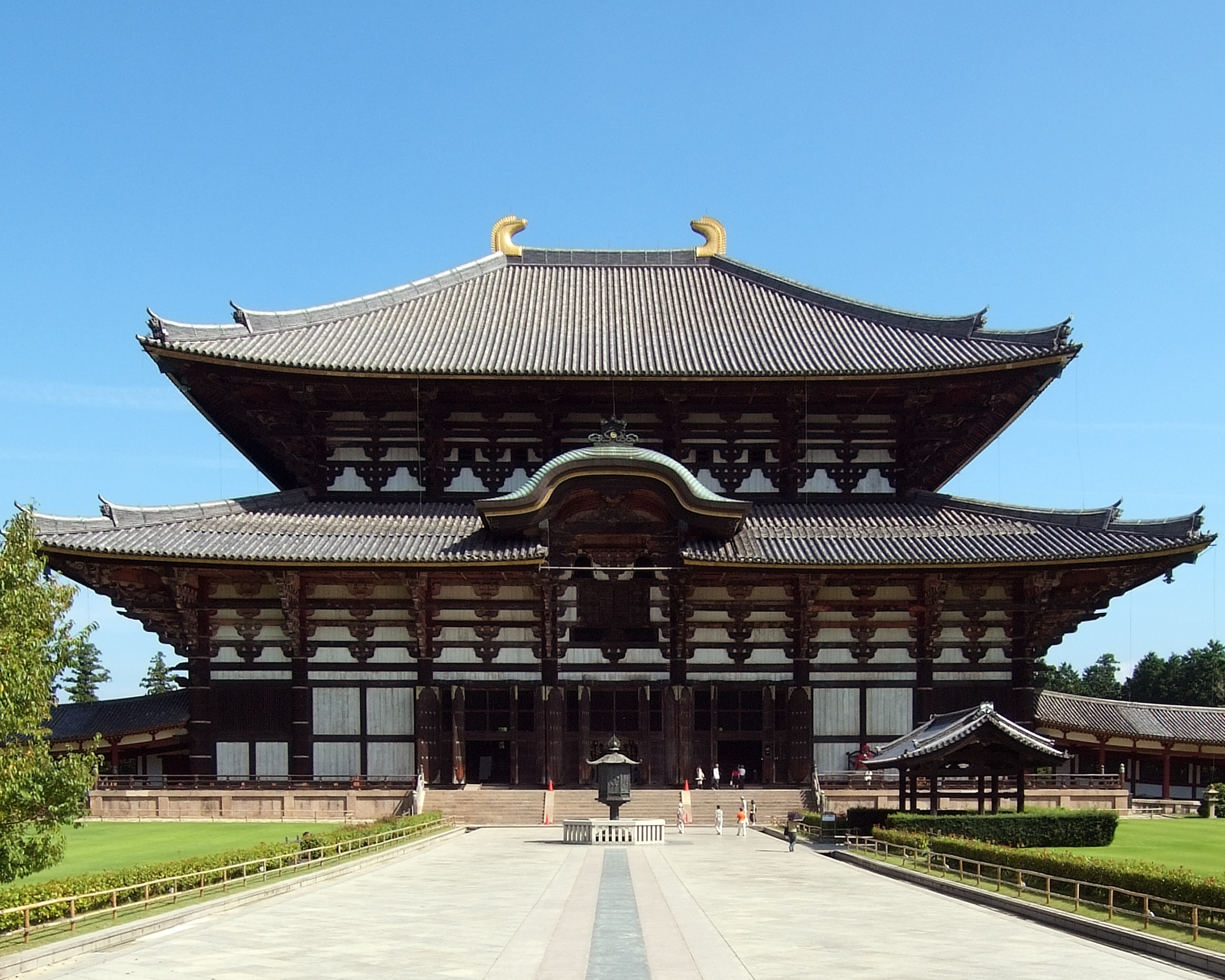
Todaiji Temple
Nara's headline monument, known for its enormous wooden hall and Great Buddha.
High-value heritage stop, first visit, morning slot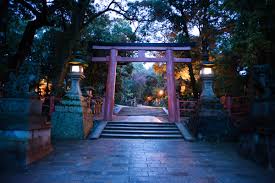
Kasuga Taisha Approach
Forested approach paths and stone lantern scenery that give Nara a calmer atmosphere than the park core.
Scenic walking, couples, slower-paced itineraries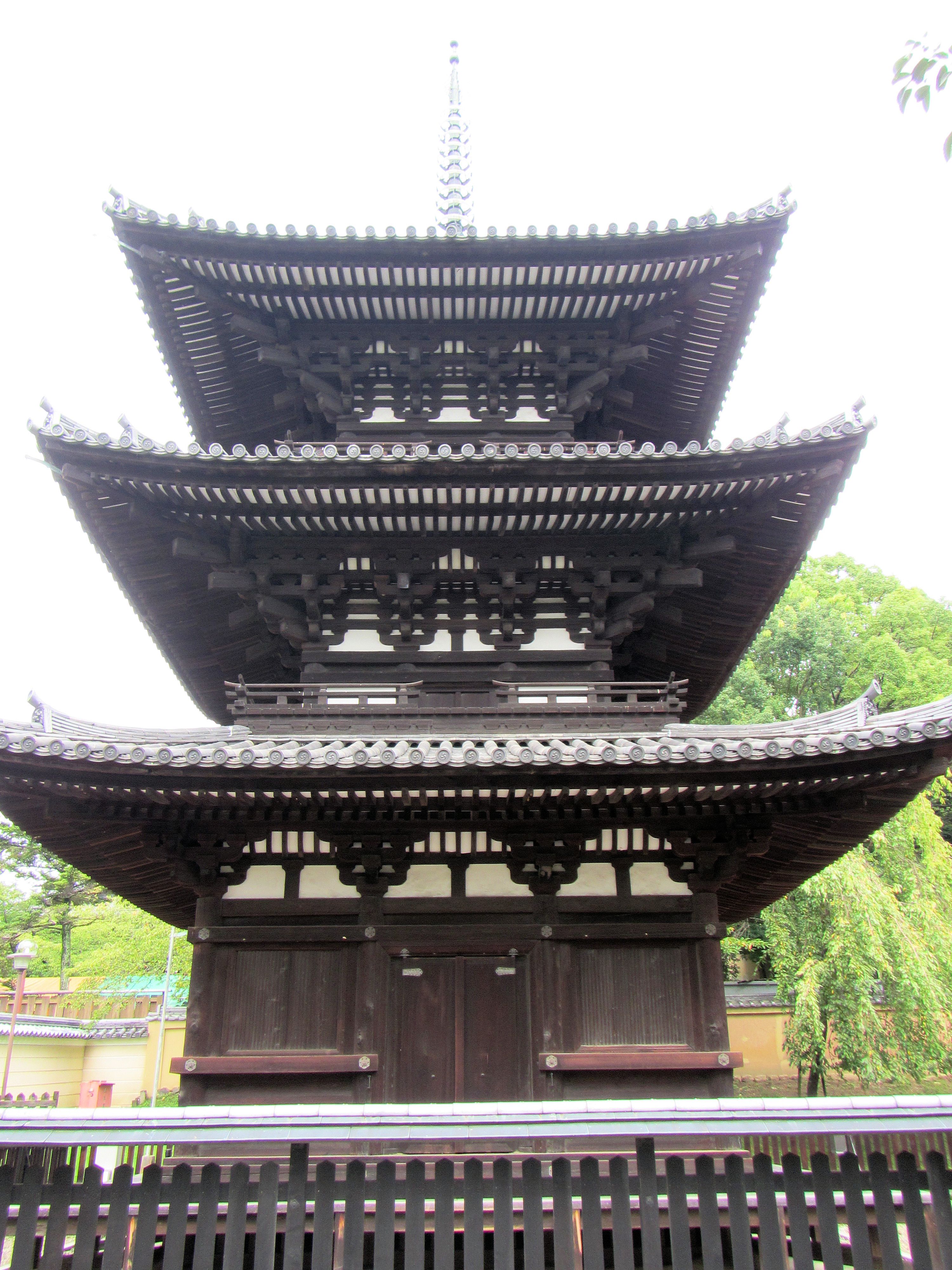
Kofuku-ji Area
A central temple district near the station side of Nara that fits neatly into shorter walking routes.
Adding a heritage stop without leaving the city core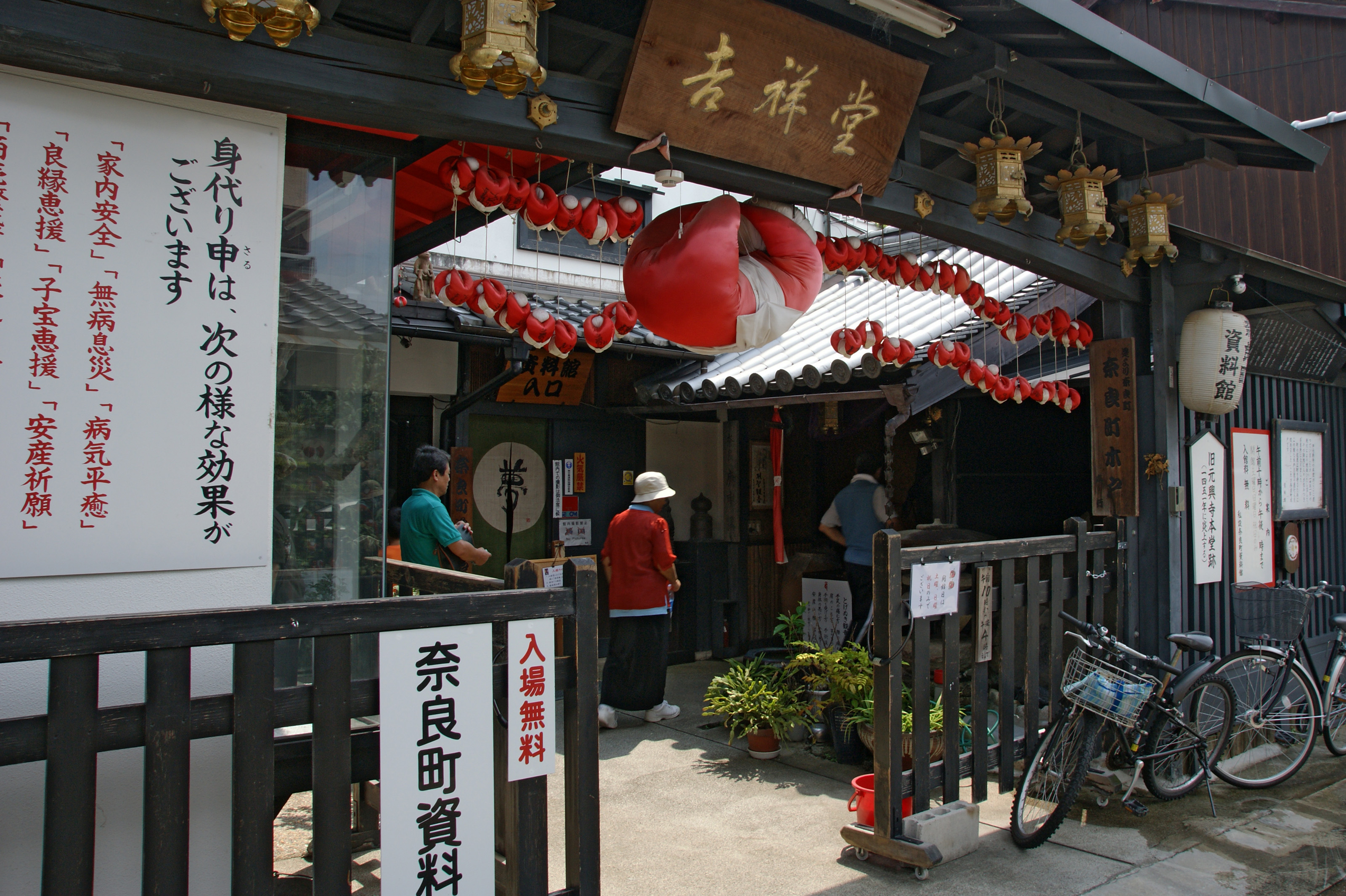
Naramachi
Historic merchant streets that work well as a lower-intensity finish after the temple and park zone.
Late-day wandering, flatter streets, one-day finishes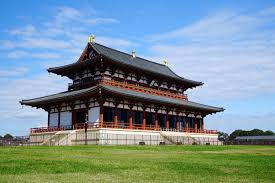
Heijo Palace Historical Area
A broader, lower-crowd historical zone that makes the most sense on a slower second day.
2-day itineraries, quieter ground, lighter crowd pressureNara Itinerary Plans
Open a dedicated page based on your trip length.
Audience Itineraries
Plans tuned for your group type and pacing needs.
Families with Children
Deer park first, shorter walking blocks, and simpler transitions for younger travelers.
Open Family Plan →Couples
Early scenic pacing with quieter paths through the park and shrine approach zone.
Open Couples Plan →Seniors
Lower-strain route with manageable walking, rest windows, and practical finish timing.
Open Senior Plan →Getting to Nara
- From Kyoto: JR Nara Line or Kintetsu Kyoto Line, usually around 45-60 minutes depending on service.
- From Osaka: JR Yamatoji Line or Kintetsu Nara Line, with central Osaka and Namba both offering practical starts.
- Best arrival station for the core route: Kintetsu Nara Station is usually better for first-time visitors because it is closer to Nara Park.
- In Nara: The main heritage zone is walkable; local buses or a short taxi hop help with outer segments and lower-mobility plans.
Frequently Asked Questions
Is Nara worth visiting as a day trip?
+
Yes. Nara is one of the strongest day trips in Kansai because the main sights are compact and easy to connect in one walking circuit.
How many days do you need in Nara?
+
One day is enough for the core route. Two days works better if you want slower pacing, lower strain, or a second-day option like Heijo Palace.
Should you stay in Kyoto, Osaka, or Nara?
+
Kyoto is usually the most practical base overall, Osaka works well for Osaka-first trips, and Nara is best only if you want the calmest two-day setup.
Flights to Japan
Looking for flights to Japan from your region?
Explore all flights to Japan →